








How Credit Scores Work in Australia

Christian Stevens, Mortgage Broker
Published December 4, 2025, 1:19 P.M
Understand How Credit Scores Work in Australia (Equifax, Experian, illion) affect home loan approval in Australia. Practical tips to improve your score and lender-ready steps — content best suited for Flintgroup.au’s Learn with Flint page.
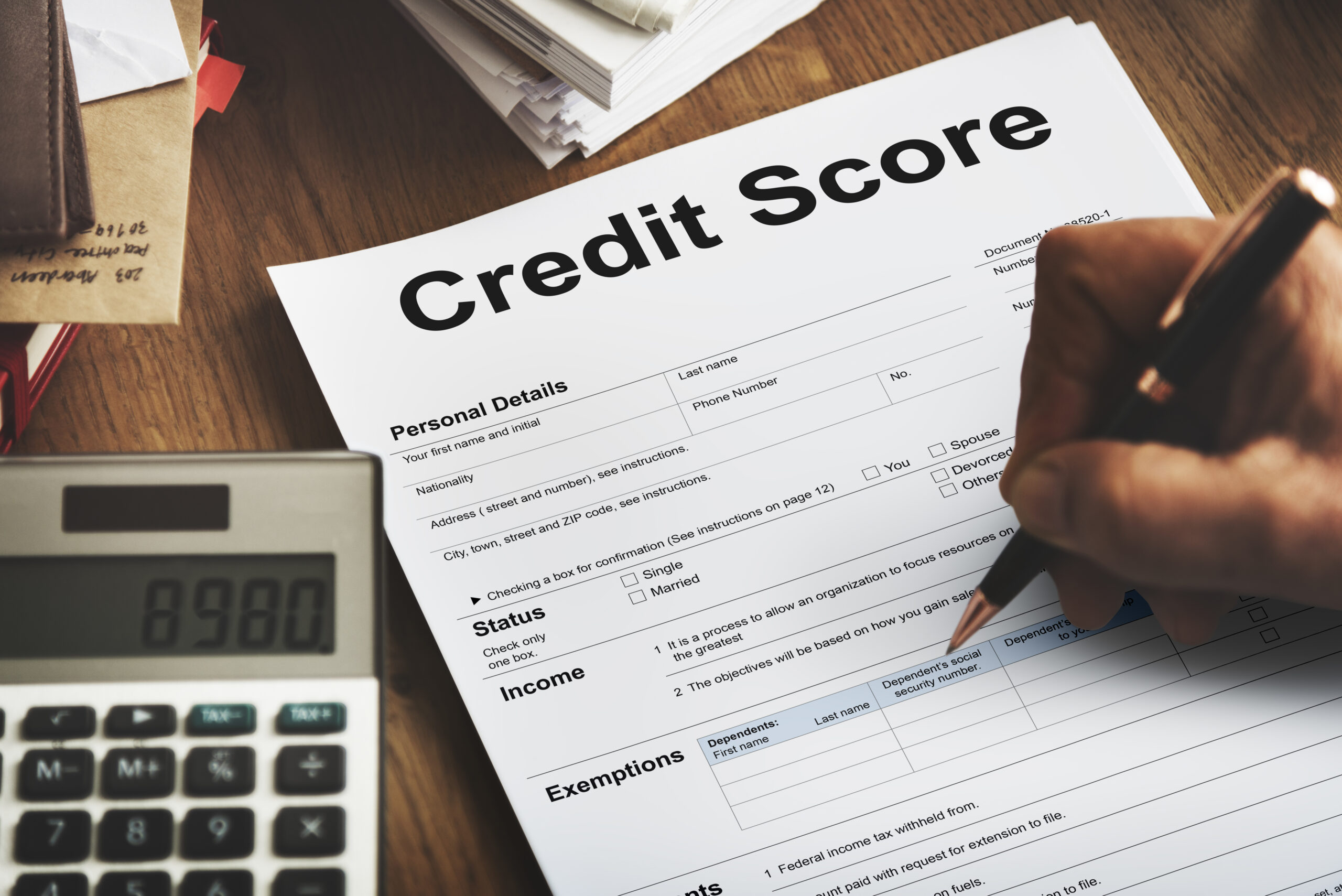
Key Facts
- Your credit score is a numerical rating (0–1,200) used by Australian lenders to measure your reliability as a borrower and your level of financial risk.
- A higher credit score increases your chances of home loan approval and unlocks access to more competitive interest rates and lending products.
- Australia’s main credit reporting agencies — Equifax, Experian and illion — each calculate scores differently.
- Your credit score is shaped by repayment behaviour, credit enquiries, existing debts, credit utilisation, defaults and more.
- Flint Group helps homebuyers understand, improve and navigate credit score challenges when applying for a home loan in Australia.
What Is a Credit Score?
A How Credit Scores Work in Australia is a three- or four-digit number that represents your overall creditworthiness — essentially how trustworthy you appear to lenders based on your past financial behaviour. Banks and lenders use your credit score to assess whether to approve your home loan application and what interest rate or lending terms to offer you.
In Australia, credit scores vary depending on the reporting bureau:
- Equifax: 0–1,200
- Experian: 0–1,000
- illion: 0–1,000
The higher your score, the stronger your borrowing position. A strong credit score signals that you manage money well, repay debt reliably, and present lower risk to lenders — which is especially important when securing a home loan in Australia.
What Affects Your Credit Score?
Your credit score is shaped by multiple aspects of your financial history. Australian credit bureaus analyze patterns in your behavior to predict how likely you are to repay future debts.
Key factors include:
- Repayment history: Late, missed or inconsistent payments can significantly lower your score.
- Credit enquiries: Each time you apply for credit (loan, credit card, BNPL), it’s recorded and may temporarily reduce your score.
- Current debts: Personal loans, home loans, BNPL services, credit cards and overdrafts all influence your score.
- Credit utilization: How much of your available credit limit you use — lower utilization often improves your score.
- Defaults or court judgments: Unpaid bills or debts referred to collections can severely impact your rating.
What Is Comprehensive Credit Reporting (CCR)?
Australia’s move to Comprehensive Credit Reporting (CCR) gives lenders a more complete view of your financial behavior — not just negative events.
CCR includes:
- Your monthly repayment performance
- When accounts were opened and closed
- Your credit limits and how much you use
- Positive repayment history
Thanks to CCR, good habits such as paying your bills on time every month can actively boost your score — even if you still carry some level of debt. This creates more opportunities for responsible borrowers to access competitive home loan options.
Why Your Credit Score Matters for Home Loans
When you apply for a mortgage, your credit score directly impacts:
- Whether your loan is approved
- The interest rate you’re offered
- The type of lenders willing to consider your application
- The conditions or documentation required
A higher score opens the door to premium home loan products with lower rates, while a lower score limits your options and may result in higher interest or stricter lending policies.
If your credit history isn’t ideal,
Flint Group specializes in:
- Working with flexible lenders
- Structuring applications strategically
- Helping clients understand how to improve their score
- Reducing the impact of past credit mistakes on current home loan goals
How to Check Your Credit Score
You can check your credit score for free from Australia’s leading bureaus:
- Equifax – mycreditfile.com.au
- Experian – experian.com.au
- illion – checkyourcredit.com.au
You’re entitled to one free report every 3 months from each agency. Checking your report regularly helps you identify errors, track improvements and prepare for your home loan application.
Tips to Improve Your Credit Score
Improving your credit score is one of the most effective ways to strengthen your home loan application. Simple, consistent financial habits go a long way:
- Pay all bills, credit cards and loans on time
- Limit the number of credit applications you make
- Reduce your credit card limit or close unused accounts
- Review your credit report regularly and correct errors
- Avoid letting small bills (phone, utilities, internet) go unpaid
- Maintain low credit utilisation
📞 Unsure if Your Credit Score Will Impact Your Home Loan?
At Flint Group, we help homebuyers take control of their credit health before they submit a home loan application. Our team can:
- Review your credit file and highlight risks
- Recommend lenders with flexible credit score criteria
- Strategically structure your loan to improve approval chances
- Guide you on steps to boost your score for long-term financial success
Your credit score doesn’t have to hold you back from owning a home.
Talk to Flint today and get expert guidance tailored to your financial situation.
Recommended Articles

Home Loans
Downsizing with Confidence: Financial Tips for Over-50s
Aug 18, 2025
Home Loans
Unlocking Financial Potential for Senior Executives: Leverage...
Aug 18, 2025
Home Loans
The Essential Guide to Deposit Bonds: What Homebuyers and...
Aug 18, 2025



Monthly Newsletter
Subscribe and be the first to know about what’s happening in the market.
Contact Us Today
Learn more about how we can help you achieve your financial goals.
Don’t worry, there’s no commitment. Strategic guidance guaranteed.